2026-09-23 · Fuente:Tom's Hardware
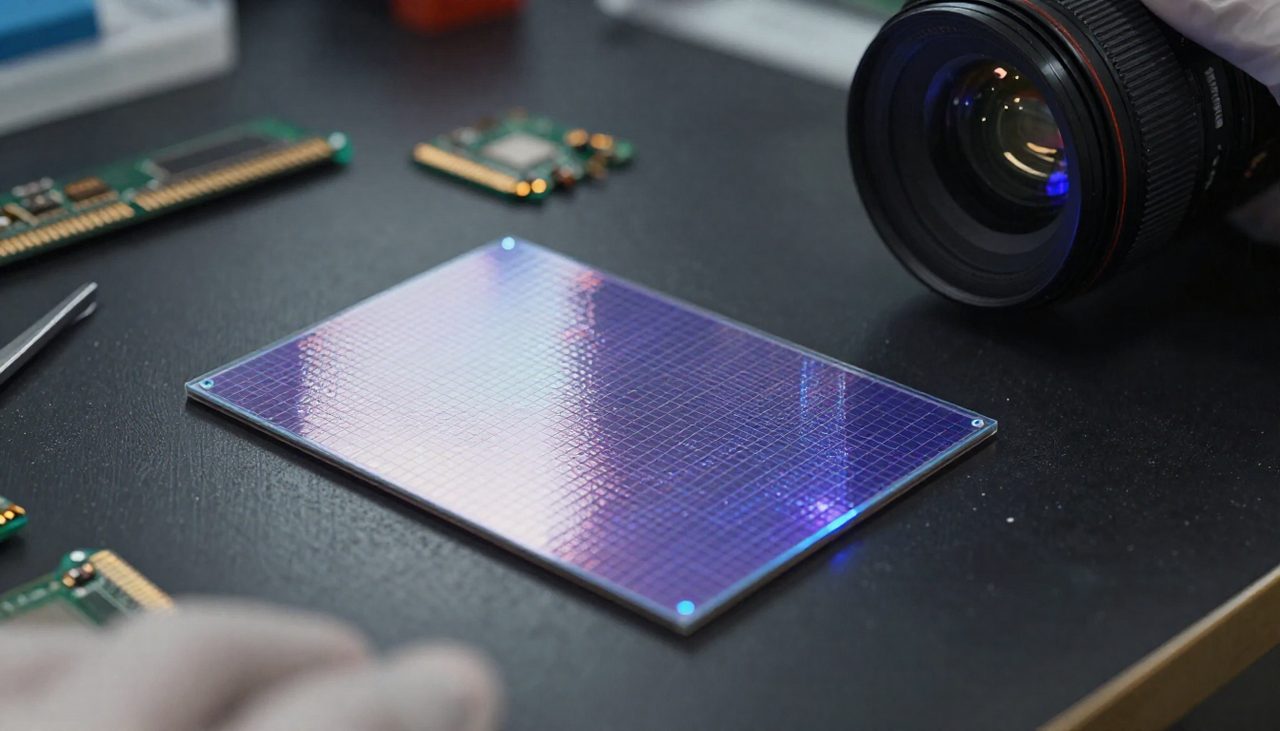
AI demand has inverted the semiconductor value stack: DRAM now carries more value per unit area than leading-edge compute silicon, potentially out-earning TSMC's N3 wafers.
Memory has overtaken logic at the top of the semiconductor value hierarchy. According to Tom's Hardware, DRAM is now more expensive than compute chips when measured on a per-area basis — a reversal driven by artificial intelligence demand that has pushed memory die value past leading-edge silicon, the class of manufacturing that has historically set the ceiling for wafer pricing.
The sharpest implication sits at the wafer level. The report notes that DRAM manufacturers could potentially earn more per wafer than TSMC commands for N3 output. N3 is TSMC's leading-edge process technology, long the benchmark for premium silicon pricing. If memory can out-monetize that output, the familiar rule that process leadership translates directly into maximum pricing power no longer holds in its traditional form.
The driver is AI. Demand from artificial intelligence workloads has lifted memory die value past that of leading-edge compute silicon, meaning a given area of DRAM now commands more money than the same area of top-end logic. That metric matters because per-area value is the cleanest way to compare across the semiconductor stack: it strips out die sizes and process generations and reduces each technology to what the market will actually pay for its silicon.
For AI-compute buyers and investors, the shift is structural. Compute budgets have traditionally anchored to the cost of leading-edge logic; if DRAM wafers can out-earn TSMC's N3 output, memory is no longer a secondary line item but a primary determinant of AI infrastructure economics. The report frames the wafer comparison as potential rather than settled — a trend at an inflection point, not a fixed outcome. The direction, however, is clear: AI demand has driven memory die value past leading-edge silicon, and the economics of the chip industry are repricing around that reality.
Etiquetas: TSMC · DRAM · N3 · AI Demand · Wafer Pricing · Memory Market
萬安算交所 AIXX · AIXX · Exchange verificado · Ir al mercado